
 CTU Packing Tips for Dangerous Goods
Did you know that the IMDG Code can serve as an important aid when preparing cargo for shipment by ocean? While the IMDG Code primarily regulates the transport of dangerous goods by sea, it is closely linked to the CTU Code, a joint publication of the International Maritime Organization (IMO), the International Labour Organization (ILO), and the United Nations Economic Commission for Europe (UNECE).
The CTU Code provides a non-mandatory global code of practice for safely handling, packing, and securing cargo transport units (CTUs) for transport by sea, and it also applies to ground transport. For anyone involved in logistics, shipping, or warehouse operations, this document is an excellent resource for understanding proper packaging, loading, and securing practices, especially when dealing with dangerous goods.
Key Topics in the CTU Code for Dangerous Goods
If your operation involves bulk shipments or dangerous goods, the CTU Code provides clear guidance to improve safety and compliance. Some practical points include:
Packing Dangerous Goods in a CTU
- Do check that all packages are properly marked and labelled.
- Do pack dangerous goods according to applicable regulations.
- Do position dangerous goods near the door of the CTU when possible, for easier access in case of inspection or emergency.
- Do affix required placards, marks, and signs on the exterior of the CTU.
- Do not pack incompatible goods together; segregation is essential.
- Do not load damaged or leaking packages.
These simple steps can significantly reduce the risk of accidents during transport, and they align with both the IMDG Code and general best practices for CTU packing.
Training Considerations
The CTU Code also emphasizes training for employees involved in packing and loading CTUs. Key points include:
- Training should complement existing dangerous goods training if your operation primarily handles hazardous materials.
- Staff should understand equipment limitations (e.g., forklift capacities, CTU maximum weights).
- Employees should be aware of packing and securing techniques to prevent shifting, leaks, or damage during transit.
Proper training not only ensures compliance but also protects employees, cargo, and the environment.
Why This Matters
Whether shipping by sea or ground, following the CTU Code and IMDG guidance helps organizations:
- Reduce the risk of incidents involving dangerous goods.
- Ensure CTUs are packed efficiently and safely.
- Maintain compliance with international and national regulations.
Even though the CTU Code is non-mandatory, it provides practical, widely accepted guidance that can improve the safety and reliability of your shipments.
Need Help Staying Compliant?
Need help preparing dangerous goods for sea transport? Explore ICC’s IMDG training.
Stay up to date and sign up for our newsletter!
We have all the products, services and training you need to ensure your staff is properly trained and informed.
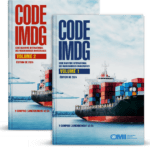 IMDG Publications IMDG Publications |
 Shipping Dangerous Shipping DangerousGoods by Sea |
 4GV Securepacc™ 4GV Securepacc™Complete Shipping Kits |
Reference: