
 Dangerous Goods Behind the Olympic Games
The Olympics and Dangerous Goods: The Hidden Logistics
When most people think of the Olympics, they imagine world-class athletes, roaring stadiums, and unforgettable moments on the podium. But behind every Olympic event is something just as impressive: the enormous logistics operation required to move equipment, supplies, and technology safely across the globe. What many people don’t realize is that a surprising amount of what supports the Games falls under dangerous goods regulations. The Olympics are not only a celebration of sport — they are also a real-world example of how hazardous materials compliance keep major global events running safely.
Global Transportation Under Tight Timelines
The Olympic Games are one of the largest international gatherings in the world, requiring the transportation of thousands of shipments under tight timelines. Everything from broadcasting equipment to venue maintenance supplies must arrive on time, and many of these items are regulated under dangerous goods frameworks such as the IATA Dangerous Goods Regulations for air transport, the IMDG Code for ocean freight, and this year domestic regulations like the ADR European Transport Regulations. With so many shipments moving across borders, proper classification, documentation, and packaging become essential.
Lithium Batteries and Modern Olympic Technology
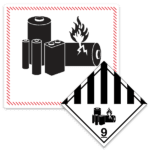
One of the most significant dangerous goods challenges at the modern Olympics involves lithium batteries. Today’s Games rely heavily on advanced technology, and that technology depends on rechargeable power sources. Lithium batteries are found in timing systems, cameras, broadcasting tools, athlete monitoring devices, drones, and even the power banks used by staff and spectators. Because lithium batteries can overheat or ignite if damaged or improperly packed, they are strictly regulated and must meet requirements for UN testing, proper packaging, marking, labeling, and air transport limitations.
Regulated Sporting Equipment and Venue Supplies
Beyond batteries, many types of sporting equipment and support materials can also trigger hazardous materials rules. Certain Olympic sports involve regulated items such as ammunition, compressed gases, or specialized chemicals. Maintenance and repair products used behind the scenes may include flammable aerosols, solvents, or fuel-powered equipment. Even pool chemicals and disinfectants used in aquatic venues must be carefully handled, stored, and transported to prevent dangerous reactions or exposure.
Medical Support and Emergency Preparedness
Medical and emergency support is another area where dangerous goods play a role. Olympic athletes require world-class healthcare services, which means shipping supplies such as oxygen cylinders, diagnostic chemicals, sterilization products, and temperature-controlled materials. Dry ice, for example, is commonly used for medical shipments but is regulated because it releases carbon dioxide gas and can create pressure hazards during air transport.
Fireworks and Opening Ceremony Risks
And of course, no Olympic opening ceremony is complete without dramatic fireworks. These displays involve pyrotechnics classified as Class 1 explosives, making them some of the most tightly controlled dangerous goods shipments in the world. They require special packaging, approved carriers, secure storage, strict segregation, and extensive documentation to ensure public safety.
Why Dangerous Goods Compliance Matters
With millions of spectators and global media attention, the margin for error is essentially zero. A single undeclared lithium battery shipment or a mislabeled chemical container could cause delays, penalties, or serious safety risks. That is why dangerous goods professionals play a quiet but essential role in making the Games possible. While athletes compete for medals, compliance experts work behind the scenes to ensure everything arrives safely, legally, and on schedule.
The Hidden Compliance Behind Olympic Success
The Olympics showcase the best of human achievement, but they also depend on something less visible: safe transportation, accurate classification, and regulatory compliance. From lithium batteries to fireworks, dangerous goods are part of the Olympic story. The next time you watch an athlete break a world record, remember that somewhere behind the scenes, hazardous materials safety helped make that moment possible.
Make sure your shipments are as prepared as the world’s top athletes — get dangerous goods training today.
Stay up to date and sign up for our newsletter!
We have all the products, services and training you need to ensure your staff is properly trained and informed.
|
 Shipping Lithium Batteries Shipping Lithium Batteriesby Ground Training |
 TDG Publications TDG Publications |


