
 Hazmat Training Requirements: What You Need to Know
Hazardous materials training is a core requirement of the U.S. Department of Transportation’s Hazardous Materials Regulations (HMR). Under 49 CFR Part 172.700–172.704, employees whose job functions affect the safe transportation of hazardous materials must receive appropriate training.
In March 2024, the Pipeline and Hazardous Materials Safety Administration (PHMSA) published guidance in the Federal Register addressing common questions about hazardous materials training requirements. The following frequently asked questions summarize key points from that guidance to help hazmat employers and employees better understand their responsibilities.
Who Must Receive Hazmat Training?
Who is considered a hazmat employee?
ANSWER: A hazmat employee is any individual whose job functions directly affect the safe transportation of hazardous materials. This can include employees who:
- Prepare hazardous materials shipments
- Package hazardous materials
- Load or unload hazardous materials
- Inspect or test hazardous materials packaging
- Operate vehicles transporting hazardous materials
- Perform any duties that impact hazardous materials transportation safety
Even administrative or supervisory employees may be considered hazmat employees if their responsibilities affect compliance with hazardous materials regulations.
Who is considered a hazmat employer?
ANSWER: A hazmat employer is any person or organization that:
- Uses one or more hazmat employees in connection with transporting hazardous materials in commerce
- Causes hazardous materials to be transported in commerce
- Designs, manufactures, fabricates, inspects, tests, repairs, or maintains hazardous materials packaging
Hazmat employers are responsible for ensuring their employees receive proper training and that training records are maintained.
What Does DOT Hazmat Training Require?
What training is required for hazmat employees?
ANSWER: A compliant hazardous materials training program must include the following elements:
General Awareness Training
Employees must become familiar with the Hazardous Materials Regulations and learn how to recognize hazardous materials.
Function-Specific Training
Training must address the specific regulatory requirements related to the employee’s job responsibilities.
Safety Training
Employees must be trained on emergency response procedures, accident prevention, and personal protection measures.
Security Awareness Training
Employees must understand potential security risks associated with hazardous materials transportation.
In-Depth Security Training
If the employer is required to maintain a hazardous materials security plan, employees must receive additional training related to that plan.
How often must hazmat training be completed?
ANSWER: Hazmat employees must receive recurrent training at least once every three years.
Additional training may also be required when:
- An employee’s job function changes
- Regulatory requirements affecting the employee’s duties are updated
How long do new employees have to complete hazmat training?
ANSWER: New hazmat employees must complete required training within 90 days of employment or assignment to a regulated function.
Until training is completed, the employee may perform hazardous materials duties only under the direct supervision of a trained and knowledgeable employee.
Is testing required as part of hazmat training?
ANSWER: Yes. Hazmat employees must be tested to verify their understanding of the training material and their ability to perform assigned duties in compliance with the regulations.
The Hazardous Materials Regulations do not prescribe a specific testing format. Employers may use written tests, online assessments, practical demonstrations, or other evaluation methods.
Who Can Provide Hazmat Training?
Can hazmat employees train themselves?
ANSWER: Yes. The regulations allow hazmat employees to self-train, provided that all required training elements, testing, certification, and recordkeeping requirements are satisfied.
Employers remain responsible for ensuring the employee fully understands the regulatory requirements applicable to their job functions.
Are trainers required to hold specific certifications?
ANSWER: No. The Hazardous Materials Regulations do not require trainers to hold a specific certification or credential.
However, trainers must be knowledgeable about the regulations and capable of effectively conveying the required information to employees.
Training Records and Driver Requirements
What training records must be maintained?
ANSWER: Hazmat employers must maintain training records that include:
- The hazmat employee’s name
- The date of the most recent training
- A description or copy of the training materials used
- The name and address of the trainer
- Certification that the employee has been trained and tested
These records must be retained for the duration of the employee’s employment and for a required period afterward.
Does a CDL hazardous materials endorsement replace DOT hazmat training?
ANSWER: No. A commercial driver’s license with a hazardous materials endorsement does not replace hazardous materials training required under the Hazardous Materials Regulations.
Although some CDL training topics may overlap, employers must still ensure that drivers receive training covering all elements required by 49 CFR §172.704.
International Compliance and Penalties
Do foreign shippers have to meet U.S. hazmat training requirements?
ANSWER: Yes. When hazardous materials are offered for transportation into the United States, applicable training requirements must be met.
Training conducted under international regulations may be acceptable if it adequately addresses the required elements and ensures employees understand the relevant regulatory requirements.
What are the penalties for failing to comply with hazmat training requirements?
ANSWER: Failure to comply with hazardous materials training requirements may result in civil penalties. PHMSA may assess penalties of:
- Up to *$102,348 per violation, and
- Up to *$238,809 per violation if the violation results in death, serious injury, or substantial property damage.
Even basic training violations can result in enforcement actions, making proper training and documentation essential.
*Note the amounts were changed from the 2024 Federal Register posting to reflect current 2026 values.
Not sure whether your team meets DOT hazmat training requirements? Explore our 49 CFR training options and find the right course for your employees.
Stay up to date and sign up for our newsletter!
We have all the products, services, and training you need to ensure your staff is properly trained and informed.
 Shipping Dangerous Goods Shipping Dangerous Goodsby Ground Training |
 UN Approved UN ApprovedPackaging and Boxes |
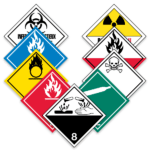 Hazard Class Labels Hazard Class Labels |


