
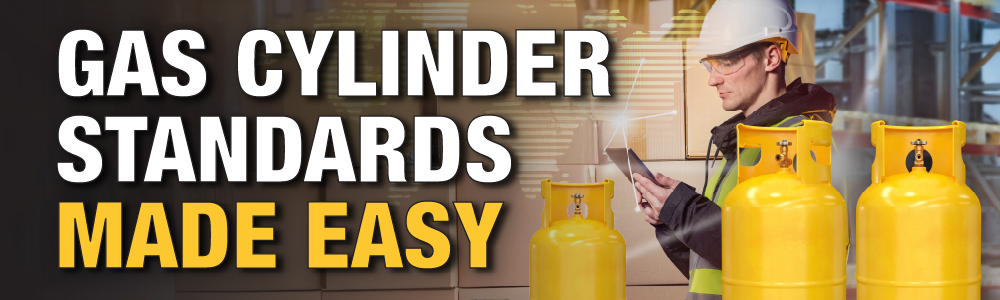
 Compressed Gas Cylinder Standards
The Old Challenge: Costly Manuals and Limited Access
For many years, I believed the only way to access safety standards, whether for the manufacturing of cylinders or other regulated products, was by purchasing costly manuals and waiting for physical copies. This, of course, created a barrier for me and, obviously, for many businesses and individuals trying to stay compliant and up to date, especially since these manuals are expensive and regularly updated.
A Major Shift Toward Online Access
Fortunately, that has changed. Both Canada and the United States now provide online, read-only access to key safety standards, making compliance easier and more accessible than ever.
Canada’s Online Access to Cylinder Standards
In Canada, the Canadian Standards Association (CSA) has made most of its safety standards available online. Registered users can access these documents in read-only format at no cost and view them instantly without purchasing physical manuals. These standards cover not only the manufacturing requirements for compressed gas cylinders, but also the processes for filling, requalification, inspection, and ongoing maintenance, ensuring safety throughout the cylinder’s service life. Explore CSA’s online standards here: CSA Standards Online. Product Certification & Standards Development – CSA Group
U.S. Access Through the ANSI IBR Portal
In the United States, the ANSI Incorporated by Reference (IBR) Portal allows users to view standards that are cited directly in federal regulations. Access is free once registered, but documents remain read-only and cannot be downloaded or printed. U.S. standards cover the full lifecycle of compressed gas cylinders, from manufacturing to filling and inspection. Access the ANSI IBR Portal here: ANSI IBR Portal. American National Standards Institute
Compliance Oversight in Canada and the U.S.
Compliance and enforcement are equally important. In Canada, Transport Canada oversees adherence to these standards: Transport Canada. In the U.S., the Pipeline and Hazardous Materials Safety Administration (PHMSA, U.S. DOT) ensures cylinders are manufactured, filled, and inspected in accordance with applicable standards: PHMSA.
Why This Matters for Industry
The transition from ordering and storing printed manuals to online, read-only access represents a significant modernization. Compliance information is now more transparent, accessible, and user-friendly than ever before, helping businesses and regulators maintain the highest safety standards for compressed gas cylinders.
Have questions about compressed gas cylinder standards or compliance requirements? Contact ICC Compliance Center and our Regulatory Experts will help you navigate the rules.
Stay up to date and sign up for our newsletter!
We have all the products, services, and training you need to ensure your staff is properly trained and informed.
 TDG Regulations TDG Regulations |
 Shipping Dangerous Shipping DangerousGoods by Ground |
 NFPA Signs NFPA Signs |