
 How to Protect Glass in Dangerous Goods Shipping
Why Glass Creates Extra Risk in Dangerous Goods Shipping
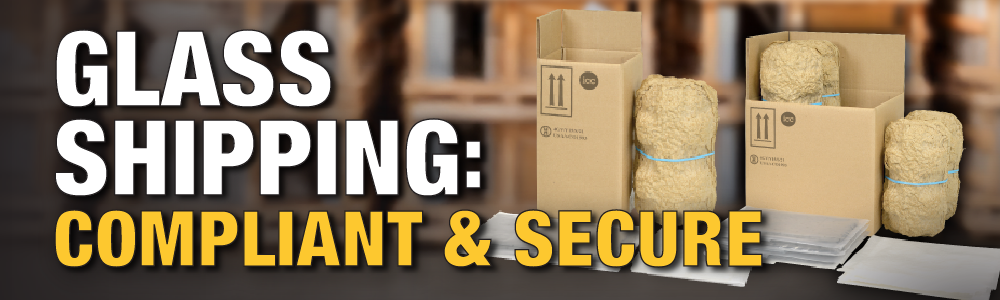
When it comes to shipping dangerous goods, glass packaging adds a whole new layer of challenge. Glass inner packaging presents a different kind of risk than plastic or metal; it’s durable enough to hold dangerous goods but fragile enough to crack under pressure. One wrong bump in transit and it can go from “container” to “cleanup” in seconds. The good news? With the right packaging methods, you can keep your shipment compliant, secure, and shatter-free. There are many options to prevent your dangerous goods in glass inner containers from causing an issue during transit.
Safe and Compliant Options for Glass Packaging
You can’t just choose any type of UN packaging for glass inner containers. You not only have to make sure that the packaging you are choosing is capable of protecting your glass containers, but it also has to be compliant with the regulations. It is important to refer to the manufacturers’ closing instructions or test certificate to determine if your UN packaging was tested with the appropriate inner container you are looking to ship. There are plenty of safe and compliant UN packaging options out there to ship glass bottles using an insert or some type of cushioning for protection. Some great options are below:
Molded Pulp
Molded pulp is becoming a popular option for packaging glass, especially in dangerous goods shipments because it combines protection with sustainability. It is made from a variety of fibrous materials, such as paper and other natural fibers. Molded pulp inserts are 100% recyclable and are used for a variety of different purposes where extra protection is needed. Molded pulp provides strong protection for glass containers, reducing the risk of breakage from drops or impacts, which makes it a great option for shipping dangerous goods. It can be engineered to snugly hold bottles, jars, or vials in place, preventing movement during transit. When you add another element to molded pulp inserts, such as absorbent pouches for example, you can rest assure that your glass packaging will be fully protected from breaks and leaks during the shipment.
Foam
Foam is a popular choice for packaging glass in dangerous goods shipments because it offers a balance of protection and practicality. Its biggest advantage is shock absorption, foam cushions glass containers against drops, impacts, and vibrations that can easily cause breakage. It’s lightweight, so it doesn’t add unnecessary shipping costs, and it can be cut or molded to create a snug, custom fit that keeps containers from shifting in transit. Foam is also versatile enough to handle everything from small vials to large bottles, and many types resist moisture, adding an extra layer of protection.
4GV Options / Corrugated Insert
Because 4GV packaging requires an absorbent system of some sort, it is a great option when it comes to shipping glass. Absorbent systems may include vermiculite, or a combination of a corrugated insert with an absorbent pouch for example. These absorbent/cushioning systems are tailor-made to ship inner glass containers, and they are often tested with glass inner containers, which fulfills the 4GV testing requirements of using a “fragile inner packaging”. The cushioning from the required absorbent provides enough shock absorption to prevent breakage during transit.
Final Thoughts
Shipping glass as dangerous goods doesn’t have to feel like walking on eggshells. With the right packaging strategies, whether it’s absorbent/cushioning, molded pulp, or foam, you can keep your cargo safe, compliant, and in one piece. At the end of the day, it’s all about planning ahead, choosing the right materials, and never cutting corners. At ICC The Compliance Center, we never cut corners. We offer a wide variety of safe and compliant UN Packaging for glass inner containers. Contact ICC for packaging guidance, compliant solutions, and dangerous goods training.
Stay up to date and sign up for our newsletter!
We have all the products, services and training you need to ensure your staff is properly trained and informed.
 Liner Bags & Liner Bags &Antistatic Bags |
 Absorbents Absorbentsand Cushions |
 4GV UN Boxes 4GV UN BoxesVariation Packaging |


