
 Earth Day Starts With Safe Shipments
Compliance Is Also Environmental Protection
Every year, Earth Day reminds us of our shared responsibility to protect the environment, but in industries that handle dangerous goods, that responsibility extends far beyond a single day. It is built into daily operations, from how materials are classified and packaged to how they are transported, stored, and handled in the workplace. Compliance with regulations like the IMDG Code, 49 CFR, TDG, and IATA Dangerous Goods Regulations is often viewed as a legal requirement, but at its core, it is also an environmental and safety commitment.
When Dangerous Goods Incidents Spread Beyond the Shipment
Dangerous goods incidents rarely stay contained. A leaking drum, an improperly packaged lithium battery, or a misdeclared shipment can quickly escalate into environmental contamination, fires, or exposure risks. A spill during transport does not just affect the immediate area; it can impact waterways, soil, air quality, and surrounding communities. In the workplace, the same hazards can put employees at risk of burns, inhalation exposure, or long-term health effects.
Earth Day is a reminder that every properly prepared shipment is not just compliant — it is preventive.
Classification and Packaging as the First Safeguards
Classification is the first line of defense. When a material is correctly identified, including any subsidiary hazard, it ensures that every downstream requirement is accurate. Packaging follows closely behind. UN performance packaging, proper closures, compatibility considerations, and drop-tested designs are all intended to prevent releases under normal conditions of transport. These are not just regulatory checkboxes; they are engineered safeguards against environmental harm.
Why Marking and Labeling Matter
Marking and labeling also play a critical role. Clear hazard communication ensures that everyone in the supply chain — from warehouse workers to vessel crews and emergency responders — understands what they are dealing with. In an emergency, seconds matter. A correctly labeled package can mean the difference between a controlled response and a situation that escalates into environmental damage or injury.
Workplace Practices That Reduce Risk Early
Workplace practices are equally important. Segregation, proper storage, ventilation, and training all contribute to reducing risk before a shipment even leaves the facility. Employees who understand the hazards they are working with are better equipped to prevent incidents and respond effectively if something goes wrong. This is where workplace safety and environmental protection intersect most clearly — protecting people and protecting the planet are often the same action.
Lithium Batteries as a High-Risk Example
Lithium batteries provide a strong example. When improperly packed or damaged, they can lead to fires that are difficult to extinguish and potentially catastrophic in transport. These incidents do not just threaten cargo and equipment; they can result in air emissions, contaminated runoff, and broader environmental consequences. Proper packaging, state-of-charge limitations, and clear marking are all measures that reduce both safety and environmental risk. Learn more about proper handling through lithium battery training.
Continuous Improvement Matters
Earth Day also highlights the importance of continuous improvement. Regulatory updates, such as changes to GHS, IMDG amendments, or updates in national regulations, are often driven by lessons learned from past incidents. Staying current is not just about compliance — it is about applying those lessons to prevent future harm. Companies that invest in training, review their procedures regularly, and take a proactive approach to compliance are contributing to a safer and more sustainable supply chain.
Safe Shipments Support a Bigger Purpose
At its core, dangerous goods compliance is about control — controlling hazards so they do not become incidents. On Earth Day, it is worth recognizing that every correctly classified material, every properly sealed package, and every trained employee contributes to something bigger. It is not just about moving goods from one place to another. It is about doing so in a way that protects people, the environment, and the communities that depend on both.
Do your part — because every safe shipment is one less risk to our planet.
Make every shipment safer. Contact ICC today to explore training, packaging, and compliance solutions that protect people and the environment.
Stay up to date and sign up for our newsletter!
We have all the products, services, and training you need to ensure your staff is properly trained and informed.
 Glass Shipping Kits Glass Shipping Kits |
 TDG Publications TDG Publications |
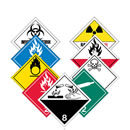 Placards Placards |


