
 Lithium Battery Mark Transition: What You Need to Do Before the 2027 Deadlines
The transition to the revised lithium battery mark is entering its final phase. While the regulatory changes themselves are straightforward, many organizations are now asking the same question:
What do we need to do before the transition periods end?
If your company ships lithium batteries by ground, air, or sea, now is the time to review your labeling practices and prepare for the upcoming compliance deadlines.
What Has Changed?
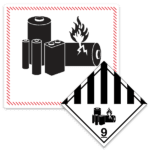
The revised lithium battery mark removes the requirement to include a telephone number. The applicable UN number(s) must still appear on the mark.
This change has been adopted across major dangerous goods regulations:
- 49 CFR (United States)
- IATA Dangerous Goods Regulations
- IMDG Code
- Transport Canada’s TDG Regulations
Although the requirements are now harmonized, the transition periods are different.
Important Compliance Deadlines
United States, Air, and Ocean Shipments
- The previous lithium battery mark with a telephone number may be used until December 31, 2026.
- Beginning January 1, 2027, the revised lithium battery mark without a telephone number is required.
Canada (TDG Regulations)
- Canada has adopted a separate 12-month transition period.
- The previous mark may continue to be used until June 17, 2027.
- Beginning June 18, 2027, shipments subject to the TDG Regulations must display the revised mark without a telephone number.
Recommended Actions
To avoid last-minute compliance issues, organizations should:
- Review current lithium battery labels in use.
- Identify any remaining inventory of legacy labels.
- Develop a transition plan before the applicable deadline.
- Verify shipping procedures are aligned with current regulations.
- Ensure employees understand the updated marking requirements.
Planning ahead helps minimize disruptions, reduce unnecessary waste, and maintain compliance across all modes of transport.
Download the Lithium Battery Mark Transition Guide
To help organizations prepare, ICC has developed a practical guide that explains:
- The regulatory changes at a glance.
- The key compliance dates for Canada and international shipments.
- Frequently asked questions.
- Recommended next steps for transitioning your operations.
Download the guide to help your team prepare before the transition deadlines arrive.
Need Assistance?
Every operation is different. Whether you’re managing multiple facilities, maintaining existing label inventory, or updating internal shipping procedures, ICC’s dangerous goods specialists can help.
Our experts can assist with:
- Transition planning for existing label inventory.
- Reviews of your current labeling and shipping processes.
- Employee training on the updated requirements.
- Guidance on regulatory compliance and operational best practices.
If you have questions about how the transition applies to your organization, contact ICC. We’re here to help you navigate the changes with confidence.
Related Articles
Stay up to date and sign up for our newsletter!
We have all the products, services, and training you need to ensure your staff is properly trained and informed.
 Lithium Batteries Labels Lithium Batteries Labels |
 Lithium Battery Lithium BatteryShipping Kits |
 Shipping Lithium Batteries Shipping Lithium BatteriesTraining Courses |



 ICC USA
 ICC Canada