 NEW IMDG Code: What’s Changing?
The International Maritime Organization (IMO) has released the new 2026 edition of the International Maritime Dangerous Goods (IMDG) Code, Amendment 43-26, introducing several important updates for the transportation of dangerous goods by sea.
Adopted in May 2026, this amendment introduces changes that shippers, freight forwarders, and carriers should be aware of.
What’s New in Amendment 43-26?
Some of the key changes include:
- Lithium and Sodium-Ion Batteries: Updated provisions and new UN entries for battery systems.
- Vehicles and Electric Vehicles: Clearer transportation criteria, including a new Special Provision 980 addressing vehicle safety assessments and revisions to SP 961 and SP 962.
- Radioactive Materials: Updated segregation distances for radioactive cargo.
- Emergency Response: Consequential amendments to the Emergency Response Procedures for Ships Carrying Dangerous Goods (EmS Guide).
When Does Amendment 43-26 Take Effect?
The new amendment follows a phased implementation schedule:
- January 1, 2027: Voluntary application may begin,
- January 1, 2028: Amendment 43-26 becomes mandatory.
How Can Shippers Prepare for the 2026 IMDG Code?
To prepare for Amendment 43-26, organizations involved in shipping dangerous goods by sea should consider the following steps:
- Review the changes: Identify which changes may affect the dangerous goods your organization ships, particularly lithium batteries, sodium-ion batteries, and vehicles.
- Evaluate shipping procedures: Review existing classification, packaging, documentation, and handling procedures to determine whether updates are necessary.
- Update regulatory resources: Ensure your team has access to the latest IMDG Code and understands the applicable implementation dates.
- Review training needs: Determine whether employees require updated training to understand the changes affecting their responsibilities.
- Coordinate with shipping partners: Communicate with carriers, freight forwarders, and other parties to confirm which requirements will apply during the transition period.
Taking these steps early can help organizations identify potential compliance gaps and prepare for the transition to the new requirements.
Don’t Wait Until the Last Minute!
Although mandatory compliance is still some time away, now is an excellent opportunity to familiarize yourself with the changes and evaluate how they may affect your shipping operations.
At ICC The Compliance Center, we’re here to help you prepare!
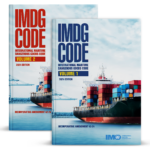
In addition to supplying the latest edition of the IMDG Code, we offer initial and refresher dangerous goods training through several convenient options:
- Virtual instructor-led training – Participate in live, interactive sessions from anywhere.
- On-site, in-person training – Receive hands-on instruction delivered by our experienced Regulatory Experts.
- Pre-recorded training – Complete initial or refresher training at your own pace, when it’s convenient for you.
Need a copy of the new IMDG Code or looking to update your team’s training? Contact ICC The Compliance Center today! Our team will be happy to help you find the regulatory resources and training solutions that best meet your needs.
Stay up to date and sign up for our newsletter!
We have all the products, services and training you need to ensure your staff is properly trained and informed.
 Shipping Dangerous Goods by Sea |
 4GV Securepacc™ Complete Shipping Kits |



 ICC USA
 ICC Canada