
 Tiny Batteries, Big Safety Concerns
Why Button Cell Batteries Deserve Attention
Button cell batteries may be small, but they pack a surprising amount of power and potential risk. Commonly found in everyday items like watches, toys, remotes, and hearing aids, these coin-sized batteries can cause serious injury if swallowed and pose environmental hazards if not disposed of properly. Understanding how to handle, store, and recycle button cells safely isn’t just about protecting your family; it is also about doing your part to minimize environmental impact and safeguard future generations.
Safety and Handling of Button Cell Batteries
As mentioned above, don’t let the size of these batteries fool you; they need to be handled and disposed of properly to prevent any dangerous incidents.
Safe Storage Practices
First and foremost, because these batteries are so small, it is crucial that you keep them out of reach of children and pets. If, for some reason, they are swallowed, it is considered a life-threatening medical emergency as they can cause severe internal burns and tissue damage. These should be stored in a place where there is no chance, they will get in the hands of a child or pet. If you plan to store these batteries in a safe place inside your house, place each battery in a separate plastic bag or cover the battery’s terminals or the entire button with non-conductive tape (e.g., electrical tape). A lithium battery may spark and cause a fire if damaged or if the terminal ends touch. If the battery becomes damaged, contact the manufacturer for specific handling information.
Why Loose Batteries Can Be Dangerous
Also, it’s not a good idea to keep these loose batteries in your pockets. Button cell batteries can short-circuit, leak, or overheat when they come into contact with other metal objects, such as your keys, for example.
Proper Disposal of Button Cell Batteries
If you need to dispose of a button cell battery, do not put them in the trash or municipal recycling bins, as they still pose a fire and explosion risk. Additionally, if they break down in landfills, these substances can leach into the soil and groundwater, polluting the environment and harming wildlife. The Environmental Protection Agency (EPA) recommends recycling button cell batteries through approved collection programs. You can find a local recycling facility using the Earth911 recycling locator.
Protecting People and the Environment
Proper care and disposal of button cell batteries might seem like a small task, but it makes a big difference. By keeping these batteries out of reach of children, handling them safely, and recycling them through approved collection programs, we can prevent accidents and protect the environment. Every responsible choice adds up, ensuring our homes stay safe and our communities stay clean.
Learn More About Battery and Safety Training
Here at ICC, safety is our expertise. Explore our comprehensive selection of safety training courses designed to help you reduce risks, improve workplace safety, and stay compliant.
Check out our Lithium Battery FAQ, or contact our team of experts at 855.734.5469 or send us an email, we’re happy to help. We can help you figure out the safest, most cost-effective way to ship these common products.
Stay up to date and sign up for our newsletter!
We have all the products, services and training you need to ensure your staff is properly trained and informed.
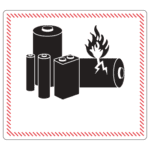 Lithium Battery Mark Lithium Battery Mark |
 Extover Extover |
 4GV Securepacc 4GV SecurepaccComplete Shipping Kit |
Source:
https://www.epa.gov/recycle/used-household-batteries
https://search.earth911.com/?what=Button+Cell+Batteries


 ICC USA
 ICC Canada