
 2026 Dangerous Goods Blitz
When shipping dangerous goods, getting the details right is important. Proper training helps make sure your shipping papers, packaging, labels, markings, and placards are all in place and meet the regulations. Following these requirements not only helps keep dangerous goods moving safely, but can also help avoid unnecessary delays, violations, and fines if a shipment is stopped for inspection.
More Than 5,000 Dangerous Goods Inspections in Five Days
Over five days this past June, commercial motor vehicle inspectors in the U.S. and Canada conducted 5,046 inspections of commercial motor vehicles transporting hazardous materials/dangerous goods (HM/DG) as part of the Commercial Vehicle Safety Alliance’s (CVSA) unannounced HM/DG inspection and compliance enforcement initiative. This dangerous goods inspection “blitz” resulted in a wide variety of violations, which as dangerous goods shippers, you always want to avoid.
Dangerous Goods Blitz
During the dangerous goods inspection blitz, inspectors found violations covering everything from shipping papers and placards to leaking packages and improper cargo securement.
Shipping Papers, Placards, Markings, and Labels
Shipping papers were one of the biggest problem areas, with 265 violations identified, including 57 serious enough to place a vehicle out of service. Inspectors also found 197 placarding violations, 64 marking violations, and 32 labeling violations.
Cargo Securement and Leaking Packages
Other significant findings included 128 out-of-service cargo securement violations and 29 leaking package violations, both of which can create serious safety concerns during transportation.
Emergency Response Information
Inspectors also identified 73 emergency response information violations in the U.S. and two Emergency Response Assistance Plan (ERAP) violations in Canada. Registration and driver requirements were another issue, with 47 hazmat registration, eight safety permit, and 16 hazmat endorsement violations reported.
Training and Certification Violations
In Canada, inspectors found 70 dangerous goods training certification violations and five equivalency certificate violations. Inspectors also discovered five undeclared hazardous material packages in the U.S. and 24 mis declared dangerous goods packages in Canada.
Thousands of Dangerous Goods Packages Inspected
Overall, inspectors examined 5,805 Class 1–9 hazardous materials and dangerous goods packages during the five-day enforcement initiative
What the 2026 Blitz Means for Dangerous Goods Shippers
The results of this year’s inspection blitz are a good reminder of just how important it is to get the details right when shipping dangerous goods. Proper training and a good understanding of the regulations can help prevent common mistakes involving shipping papers, packaging, labels, markings, placards, and other requirements. When you’re unsure about a dangerous goods requirement, taking the time to confirm the regulations before shipping can help prevent mistakes, delays, and potential violations. ICC is here to help businesses stay informed, compliant, and prepared when handling, storing, or transporting dangerous goods. Through our products, services, and training, we can help you navigate the requirements and keep your shipments moving safely. Our team can help your business stay compliant and informed through our resources and products. Contact us to learn more about the ICC difference.
The full blitz results can be found HERE.
Stay up to date and sign up for our newsletter!
We have all the products, services and training you need to ensure your staff is properly trained and informed.
 49 CFR Publications |
 Lithium Battery Shipping Kit |
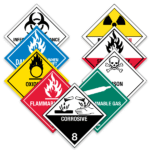 Hazard Class Labels |


 ICC USA
 ICC Canada