
 Bills of Lading vs. Waste Manifest
Understanding the Purpose of a Dangerous Goods Shipping Document
When shipping regulated materials in Canada, confusion often arises between a dangerous goods bill of lading (shipping document) and a hazardous waste manifest. While they may appear similar and may travel with the same shipment, they serve different regulatory purposes.
A dangerous goods shipping document, often referred to as a bill of lading, is required under the Transportation of Dangerous Goods Regulations when dangerous goods are offered for transport. Its primary role is transport safety. It communicates critical information such as the UN number, proper shipping name, hazard class, packing group, quantity, and a 24-hour emergency contact. This document ensures that carriers, inspectors, and emergency responders understand the hazards associated with the shipment.
What Is a Hazardous Waste Manifest?
A hazardous waste manifest is an environmental tracking document required under federal or provincial environmental legislation when hazardous waste is transported. Its purpose is to track hazardous waste from the generator to the final authorized receiving facility. The manifest records who generated the waste, who transported it, and who received it, with signatures at each stage to demonstrate accountability and proper disposal or recycling.
The Key Difference Between the Two Documents
The key difference is intent. The shipping document focuses on safe transportation, while the hazardous waste manifest focuses on tracking and environmental compliance. One supports emergency response and transport safety; the other ensures hazardous waste is managed responsibly and does not disappear from the regulatory system.
When Both Documents Are Required
There are also important similarities. Both documents must accompany the shipment, be available for inspection, and accurately describe the material being transported. When hazardous waste also meets the definition of dangerous goods, both requirements apply. In these cases, the shipment must comply with TDG requirements, and hazardous waste tracking obligations must also be met. In practice, some manifests are designed to include all required dangerous goods shipping document information, but this does not remove the obligation to comply with TDG.
Provincial and Territorial Requirements
It is also important to note that each province and territory may have its own hazardous waste rules, including additional manifesting, permitting, or reporting requirements. Shippers should always verify local environmental regulations in addition to federal transport requirements.
Final Takeaway
In simple terms, if you are shipping dangerous goods, you need a TDG shipping document. If you are shipping hazardous waste, you may need a hazardous waste manifest under applicable environmental legislation. If your shipment is both, you must comply with both sets of requirements.
If you have questions about the compliance of your bills of lading in Canada or the United States, feel free to contact us and book a consultation. We can review your shipping documents and help ensure they meet applicable federal dangerous goods regulations, reducing the risk of delays, rejections, or enforcement action.
Contact us today if you have any questions regarding the Bill of Lading. Our Regulatory Experts are always happy to help!
Stay up to date and sign up for our newsletter!
We have all the products, services and training you need to ensure your staff is properly trained and informed.
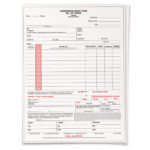 Bill of Lading Forms Bill of Lading Forms |
 Placards Placards |




 ICC USA
 ICC Canada