
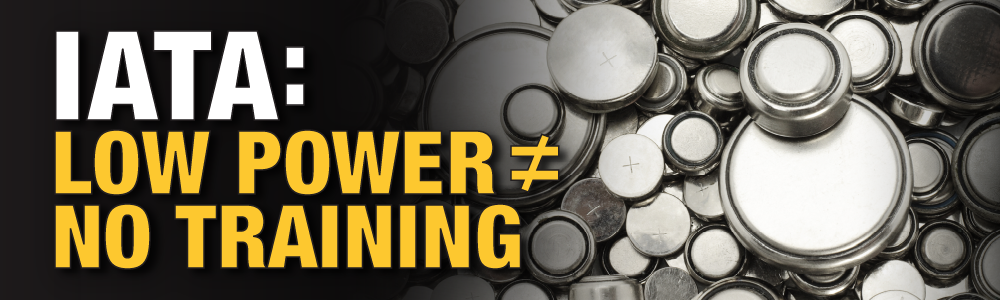
 Low-Power Batteries Still Need Training
Why Low-Power Batteries Still Require Instruction
If you think that shipping low-power lithium or sodium batteries completely exempts you from any training requirements, think again. Under the IATA Dangerous Goods Regulations (DGR), section 1.6 Adequate Instructions for Shippers of Section II Lithium and Sodium Batteries, it is clearly stated that anyone involved in preparing or shipping these types of batteries must receive adequate instructions on how to do so correctly.
What Section II Battery Shipments Usually Include
These shipments typically involve low-power lithium or sodium cells or batteries that are contained in or packed with equipment, which fall under what was traditionally known as “Section II” packaging requirements. While they may be exempt from full dangerous goods training, they are not exempt from instruction.
Minimum Elements of Adequate Instruction
Under section 1.6.2, employers should, at a minimum, consider the following elements when ensuring their personnel are adequately instructed:
- Classification of the lithium or sodium batteries being shipped
- Documentation of procedures applied to those shipments
- Written work instructions or other documentation, including automated systems or controls
- Review and understanding of documented procedures applicable to each job function
- Instruction records, including the date(s) of training for all employees
- Refresher instruction at least every two years, or whenever documented instructions or regulations are revised
- Reverse logistics, including the mode of transport and any applicable prohibitions
Why Employers Should Document Training
In short, even though certain requirements under the IATA DGR may not apply to low-power lithium or sodium batteries, due diligence still requires that employees be adequately informed about what they are shipping and when a shipment may fall outside the exemption under Section 2 (or Part 1.6).
A Common Misconception in Battery Shipping
To provide context, during training sessions I have conducted, many participants have expressed surprise saying things like, “We only ship exempted batteries, so why do we need training?” My answer always points back to Section 1.6. Employers have an obligation to ensure their staff understand not only the basic packaging requirements but also the limitations, exceptions, and changes to these exemptions.
Final Takeaway: Training Supports Due Diligence
In conclusion, if your employer provides you with a comprehensive training package, it is not only to meet the requirement of IATA 1.6, but also to demonstrate due diligence and ensure continued compliance in the safe transport of lithium and sodium batteries by air.
Questions about lithium battery air shipments? Talk to a Regulatory Expert today! Call 855.734.5469 or send us an email, we’re happy to help.
Stay up to date and sign up for our newsletter!
We have all the products, services and training you need to ensure your staff is properly trained and informed.
 IATA DGR IATA DGR |
 Shipping DG by Air Shipping DG by Air |
 4GV Securepacc 4GV SecurepaccComplete Shipping Kit |



 ICC USA
 ICC Canada